Learn Why Sliding Doors Work So Well for Creating Indoor-Outdoor Living Spaces
Sliding doors provide a convenient option for improving indoor-outdoor spaces. Their design allows a smooth transition between environments, maximizing natural brightness and views. This element not only enhances aesthetics but also promotes better ventilation and adaptable furniture arrangements. As homeowners strive to incorporate nature into their daily lives, the benefits of sliding doors become increasingly significant. Examining the various styles and benefits reveals even more persuasive justifications to evaluate them for any home.

The Advantages of Sliding Doors for Indoor-Outdoor Living
Sliding doors enable a seamless passage between indoor and outdoor spaces, amplifying the overall flow of a home. Their expansive glass panels allow natural light to inundate interiors, creating a bright and attractive atmosphere. This not only improves the aesthetic appeal but also promotes a sense of connection with nature, enabling indoor-outdoor living more enjoyable.
Additionally, sliding doors are compact, as they do not require swing space like traditional doors, making them perfect for smaller areas. They can also be designed to blend harmoniously with various architectural styles, enhancing the home’s overall design.
In addition, sliding doors can optimize ventilation, allowing outdoor air to move freely, which is significantly helpful in warmer months. They also provide accessible entry to garden areas, encouraging pastimes such as outdoor dining or hosting entertaining. Overall, sliding doors enhance the practicality and enjoyment of home environments, making them a sought-after choice for modern homes.
Instructions to Choose the Best Sliding Door Design for Your Home
Selecting the correct sliding door design involves multiple important considerations. Homeowners should first evaluate their home's architectural style to ensure a unified look, while also evaluating the usable area and intended functionality. Additionally, the choice of substances and their longevity can greatly affect both visual appeal and performance.
Evaluate your home's style
When choosing a sliding door style, homeowners must take into account the overall look of their residence. The chosen style should harmonize with existing architectural features and interior design elements. For modern homes, sleek and minimalist designs, such as aluminum or frameless glass doors, may be perfect, creating a seamless shift between spaces. Conversely, traditional residences might benefit from wood-framed doors, which add warmth and character. Color and finish are also essential; neutral tones often complement various styles, while bold colors can serve as a statement piece. Ultimately, aligning the sliding door style with the home's overall design not only improves visual appeal but also contributes to a cohesive indoor-outdoor living experience.
Evaluate Space and Functionality
The area and utility are critical elements when choosing the ideal sliding door for your home. Homeowners should first assess the available space to determine the appropriate door size and style. For smaller areas, a single-panel sliding door may be more suitable, while larger openings can support multi-panel designs that enhance the view and light. Furthermore, the functionality of the space is significant; for example, a door leading to a patio may emphasize ease of access, while one connecting to a garden might accentuate aesthetic appeal. Considering traffic patterns and the expected use of the area will further help in picking a door that compliments both the architectural style and practical needs of the home.
Evaluate Material and Durability
A range of options are available for sliding doors, each providing distinct advantages regarding longevity and appearance. Common options include wood, aluminum, vinyl, and fiberglass. Wood provides a classic look but requires regular maintenance to prevent warping. Aluminum, known for its strength and protection to weathering, offers a modern, modern appearance. Vinyl is low-maintenance and energy-efficient, making it a preferred choice for homeowners. Fiberglass blends the best attributes of wood and aluminum, boasting durability while replicating wood's aesthetic appeal. When choosing a sliding door, it is essential to take into account climate conditions and the door's intended use, guaranteeing that the chosen material matches with both performance and style preferences. In the end, the right choice enhances the indoor-outdoor experience.
Developing Frictionless Flows By Way of Sliding Doors
Sliding doors can significantly improve the natural light flow between indoor and outdoor spaces, producing a more appealing atmosphere. By adding these doors, homeowners can also improve space utilization, making areas look larger and more integrated. This effortless change not only upgrades the appearance but also elevates the overall practicality of a home.
Improve Daylight Light Movement
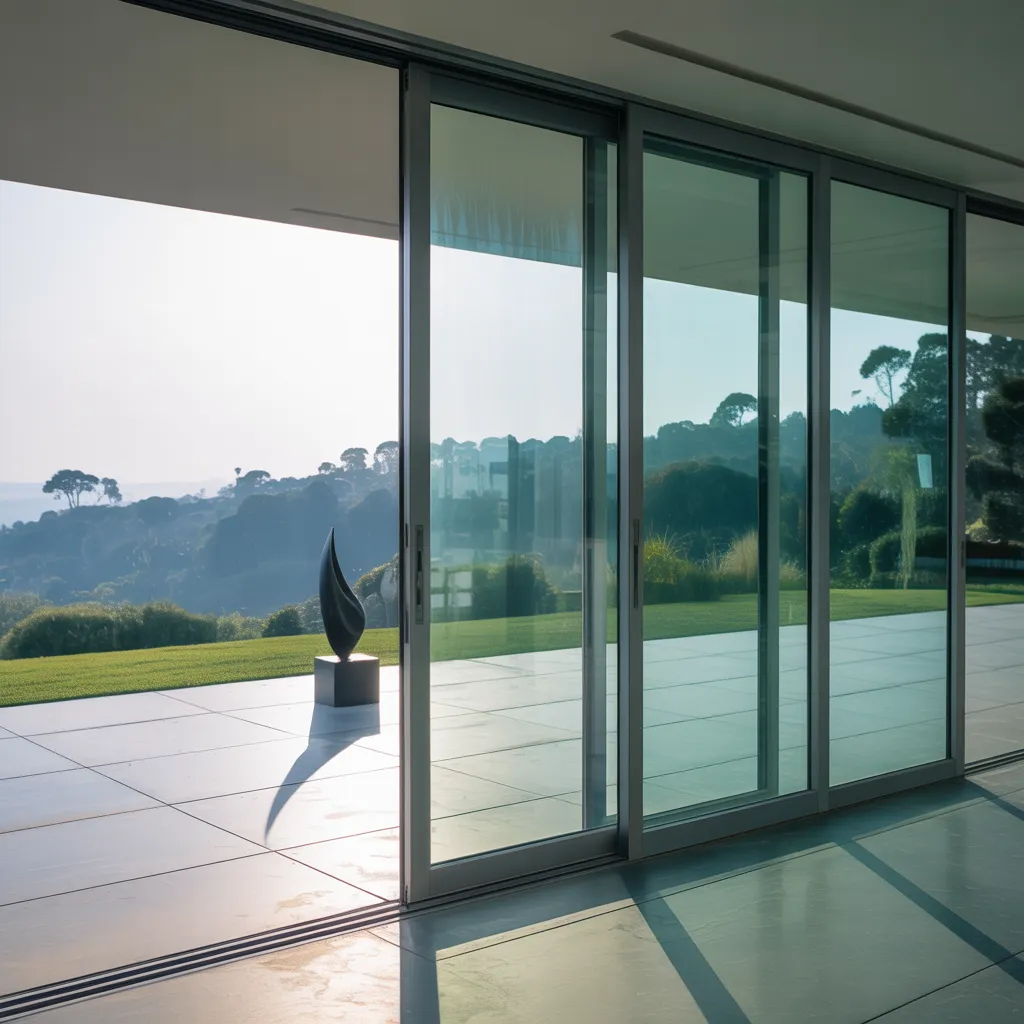
Embracing the charm of natural light uplifts living spaces, fashioning a delightful atmosphere that enriches both well-being and visual charm. Sliding doors function as a smart option for enhancing this light distribution. Their large glass panes permit rays of sunlight to flood through, softening the barriers between outside and inside regions. This harmonious blend not only brightens home spaces but also creates an impression of important information space, rendering areas feel spacious and intertwined with the natural world. By carefully arranging glass sliding doors, residents can benefit from scenic vistas and daylight at various daylight hours. Whether in a cozy kitchen or a expansive living space, the addition of glass sliding doors uplifts the overall atmosphere, fostering a warm and welcoming space that nurtures enjoyment and peace.
Maximize Area Optimization
Modifying spaces with sliding doors can markedly boost space efficiency in houses. These doors get rid of the need for swing space that conventional copyrightd doors require, allowing for more flexible furniture arrangements and maximizing usable areas. By seamlessly connecting indoor and outdoor spaces, sliding doors create a feeling of enlarged living spaces, fostering a more open atmosphere. They can be mounted in varying configurations to accommodate different layouts, ensuring perfect movement and accessibility. Moreover, many modern sliding doors come with slim frames and large glass panels, which not only enhance design but also reduce visual clutter. This well-thought-out design nurtures a smooth transition between environments, ultimately improving both space and function in contemporary living.
Maintaining Your Sliding Doors for Lasting Beauty
Looking after sliding doors involves ongoing maintenance to confirm they prove to be both functional and aesthetically pleasing. Routine cleaning is essential; contaminants and grime can accumulate in tracks, compromising movement and resulting in deterioration over time. Dwellers should utilize a soft cloth and mild detergent to buff the glass and frames, guaranteeing a unobstructed view and engaging look.
Additionally, inspecting the tracks and rollers for wear is key. Lubricating these sections with a silicone-based spray can avoid binding and ensure smooth operation. Looking over the seals for gaps or deterioration helps support optimal energy retention and prevents moisture intrusion.
Finally, regular checks of the door's alignment can identify any problems early, enabling for timely adjustments. By dedicating a small amount of time to these upkeep duties, sliding doors can keep improving indoor-outdoor areas while maintaining their aesthetics and functionality for years to come.
Enhance Your Backyard Environment Through Glass Doors
Sliding doors seamlessly erase the lines between indoor and outdoor living, establishing continuous connectivity that improves any space. By adding sliding doors into outdoor areas, homeowners can transform their patios, gardens, or balconies into functional extensions of their interiors. These doors allow natural light, making outdoor spaces feel more inviting and connected to the home.
Furthermore, sliding doors can enhance the visual attractiveness of exterior spaces, providing clear sightlines of nature while providing convenient entry. They create a flexible setting for relaxation, dining, or entertaining, allowing for flexible utilization of space according to the season.
In addition, the abundant variety of styles and materials at hand guarantees that sliding doors can suit any architectural design, strengthening the aesthetic quality of the dwelling. Ultimately, the incorporation of sliding doors not only enhances outdoor functionality but also enriches the living experience by promoting a serene connection with nature.
How Pocket Doors Make Entertaining Easy and Stress-free
Sliding doors integration not only improves the visual and practical aspects of outdoor spaces but also greatly simplifies hosting events. With their seamless shift between indoor and outdoor areas, sliding doors create an welcoming environment for social occasions. Hosts can easily move between kitchens and patios, serving food and drinks without feeling confined.
Moreover, the wide open spaces encourage dialogue among visitors, encouraging socializing and engagement. The capacity to effortlessly open up a space allows for larger gatherings, accommodating more attendees comfortably.
In addition, the convenience of glass doors means that exterior features, such as grills or seating areas, are just close by, minimizing the need for numerous trips indoors. This accessibility contributes to a comfortable setting where entertainers can enjoy their time just as much as their guests. In the end, glass doors convert entertaining into a more enjoyable and less stressful activity.
Enhancing Natural Light and Views With Sliding Doors
A profusion of natural light and beautiful vistas can dramatically reshape a living space, and glass sliding doors serve a crucial purpose in producing this outcome. By forming spacious openings, glass sliding doors remove obstructions between indoor and outdoor areas, letting light to pour into interiors. This not only illuminates areas but also improves the general atmosphere, making areas feel more inviting and spacious.
In addition, sliding doors present unobstructed views of gardens, patios, or landscapes, bringing nature indoors. The effortless transition motivates residents to engage with their surroundings, fostering a sense of connection to the outdoors.
In addition, modern contemporary door systems typically present large glass panels, which optimize light entry while supplying energy-efficient options that keep pleasant interior warmth. This blend of design and purpose makes these door systems the perfect selection for amplifying natural light and revealing views in any home.
Frequently Common Questions
Can Sliding Doors Support Energy Efficiency in Varying Climate Zones?
Sliding doors provide energy conservation across diverse climates, notably when outfitted with double or triple glazing. Correct insulation and weather sealing boost their performance, decreasing energy loss and preserving comfortable indoor temperatures year-round.
What Safety Options Are Offered for Sliding Doors?
Sliding doors showcase diverse safety attributes, made up of multipoint lock systems, reinforced frames, protective grilles, and reinforced glass. These upgrades help block unauthorized entry, granting homeowners with strengthened peace of mind regarding their indoor-outdoor spaces.
What Influence Do Patio Doors Have on Home Market Value?
Sliding doors can improve home resale value dramatically. Their desirability depends on establishing smooth transitions between inside and out spaces, luring buyers seeking contemporary beauty and usefulness, thus possibly delivering higher offers and faster sales.
Can I install sliding door systems on my own?
You can install sliding doors on your own, as long as you have basic carpentry skills and tools. However, careful measurement, leveling, and sealing are crucial to ensure correct operation and optimal energy performance, making expert help recommended for those new to the task.
What Are the Finest Materials for Sliding Doors?
The optimal materials for sliding doors comprise vinyl for energy efficiency, aluminum for durability, and wood for visual beauty. Each material presents unique benefits, enabling homeowners to decide based on design, upkeep, and weather considerations.
Comments on “Luxury Sliding Door Systems”