Sliding Doors Services for Seamless Passage and Aesthetic Appeal
Sliding doors are increasingly popular in modern homes for their blend of practicality and aesthetic appeal. They offer convenient passage between interior and exterior spaces while maximizing natural light. With multiple styles and materials on offer, homeowners can discover choices that suit their design preferences. However, it's crucial to take into account installation methods and maintenance practices to ensure longevity. Understanding these aspects can greatly influence a residence's overall ambiance and safety. What considerations should one focus on when choosing sliding doors?
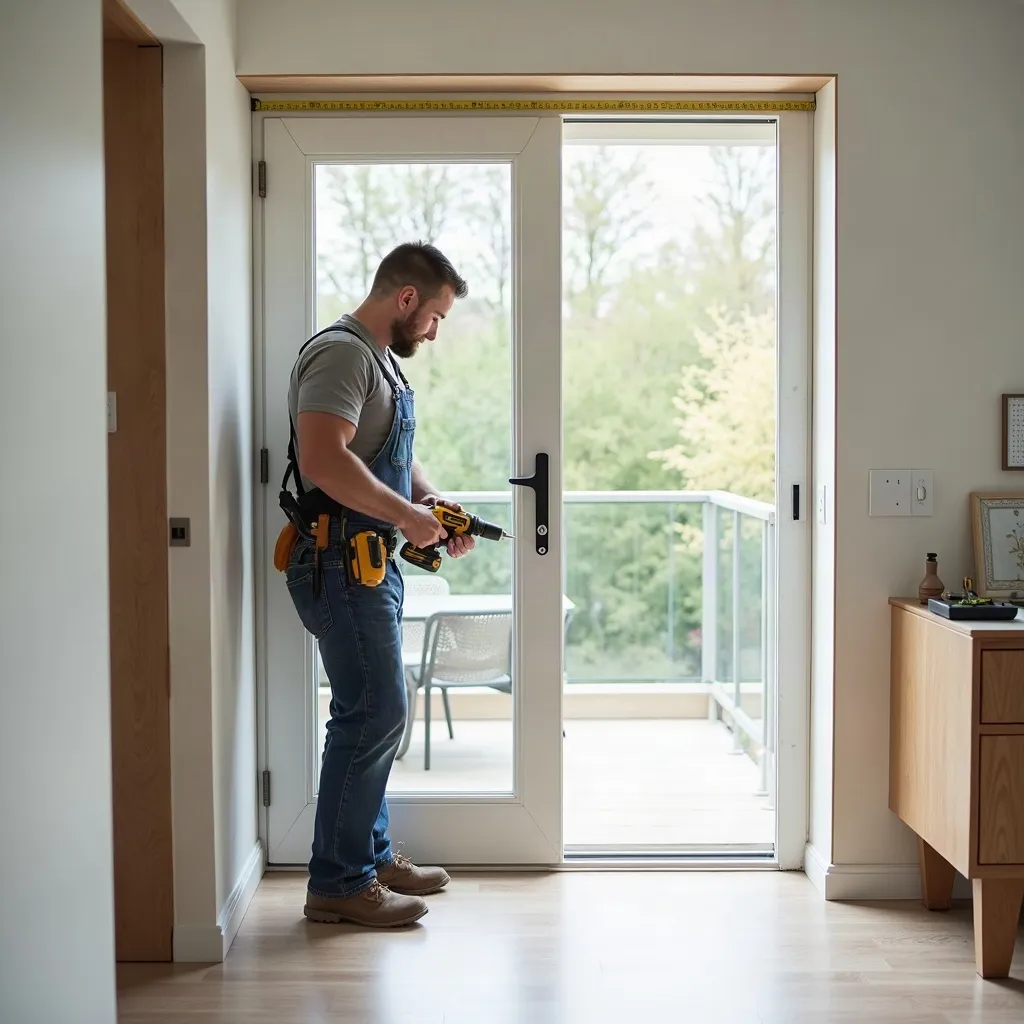
The Benefits of Sliding Doors for Contemporary Homes
Sliding doors have grown into a favored option for modern homes, as they effortlessly merge indoor and outdoor spaces. Their design improves natural light, creating an spacious, light-filled atmosphere that can make even smaller rooms feel more expansive. Additionally, the ease of operation allows for effortless access to patios, gardens, or balconies, facilitating a more integrated lifestyle.
Energy efficiency is another substantial advantage; many sliding doors feature double or triple glazing, helping to maintain temperature control and reduce energy costs. The low-maintenance nature of sliding doors further appeals to homeowners, as they require scant upkeep compared to traditional copyrightd doors.
Moreover, their sleek design options can complement various architectural styles, offering both aesthetic appeal and practicality. Overall, sliding doors offer a convenient option for improving living spaces while adding to a contemporary home environment.
Different Kinds of Sliding Doors to Review
When pondering the ideal sliding door for a home, it is essential to explore the assorted styles available, each delivering specialized features and aesthetics. Traditional sliding doors commonly feature two panels that glide along a track, providing a classic look suitable for many homes. On the other hand, contemporary styles often embrace larger glass panels, maximizing natural light and producing a seamless shift between indoor and outdoor spaces. Bi-fold sliding doors are increasingly in-demand, facilitating for expansive openings that can reimagine a room when fully opened. For a more modern touch, pocket sliding doors slide into the wall, economizing space and offering a minimalist appearance. Finally, barn-style sliding doors, with their rustic charm, add character to any interior, appealing to those pursuing a blend of style and function. Each style unveils distinct advantages, making it vital for homeowners to evaluate their specific needs and design preferences.
Determining Gliding Door Material Choices
Choosing the appropriate materials for sliding doors is vital for both operation and design. Different materials present distinct benefits, affecting strength, maintenance, and visual appeal.
Wood, for example, delivers a warm and traditional appearance, but demands consistent maintenance to avoid warping and weather damage. Metal, especially aluminum, is recognized for its durability and minimal upkeep, making it suitable for modern aesthetics. Glass is yet another favored option, permitting unobstructed views and natural light; however, it necessitates thoughtful evaluation regarding thermal performance and protection.
Composite materials combine the advantages of wood and synthetic substances, providing enhanced durability without sacrificing appearance. Ultimately, the choice of material should reflect the homeowner's design tastes and practical needs, ensuring that the sliding doors not only improve the space but also withstand the test of time. Prioritizing quality in material selection is critical for achieving durable and aesthetically pleasing sliding door solutions.
How Glass Doors Enhance Natural Light and Space?
A abundance of daylight and an sense of spaciousness represent two significant benefits offered by well-designed sliding doors. These doors usually feature expansive glass surfaces that allow sunlight to flood interiors, establishing a warm and inviting environment. This flow of daylight not only improves the visual beauty of a space but also contributes to improved mood and wellness.
Moreover, pocket doors can optically enlarge spaces, making them feel larger and more open. Unlike traditional copyrightd doors that require additional space for functioning, sliding doors glide along a track, maximizing usable floor space. This design element is particularly beneficial in compact residences or condos where every square foot counts.
Self-Installation versus Professional Sliding Door Installation: What Choice Works Best for Your Situation?
When considering sliding door installation, homeowners often compare the benefits of DIY versus contracting professionals. Key considerations encompass cost factors, individual skill levels, and the time required to complete the project efficiently. Each option delivers distinct advantages that can notably impact the overall outcome and satisfaction with the installation.
Financial Concerns And Budget
While homeowners often weigh the positive and negative aspects of doing sliding doors themselves versus engaging professionals, cost considerations play a crucial role in this decision. DIY installation may initially look more cost-saving, as it eliminates labor costs. However, homeowners must include potential expenses for necessary tools, required materials, and any errors during the process, which can escalate costs unexpectedly. On the contrary, professional installation typically results in higher upfront costs but provides quality and efficiency, potentially reducing costs in the long run by steering clear of future repairs. Ultimately, the choice between DIY and professional installation copyrights on balancing initial expenses with long-term value, making it vital for homeowners to examine their financial situations carefully before deciding.
Ability Level And Track Record
Cost factors greatly influence the decision between DIY and professional sliding door installation. Individuals with a strong background in home improvement may choose the DIY route, assured in their ability to manage tools and follow installation instructions. This approach can reduce money, but it demands a solid understanding of structural integrity and alignment. Conversely, those lacking experience might find professional installation more appropriate, ensuring the door operates seamlessly and safely. Professionals bring expertise, reducing the risk of mistakes that could lead to additional costs down the line. Ultimately, the decision copyrights on one's skill level and comfort with home projects, balancing potential savings against the assurance of quality workmanship.
Time Commitment And Efficiency
Although the decision between DIY and professional sliding door installation often depends on skill level, time investment plays a crucial role as well. DIY enthusiasts may consult now enjoy the challenge, yet the process can be time-consuming, often requiring extensive research, preparation, and potential troubleshooting. In contrast, hiring professionals typically guarantees a quicker installation, as experienced technicians can navigate challenges efficiently. This expertise minimizes disruptions and allows homeowners to enjoy their new doors sooner. Additionally, the time preserved by opting for professional help can be invaluable, particularly for those with busy schedules. Ultimately, considering time investment against skill and efficiency can guide homeowners in making the best decision for their sliding door installation needs.
Fundamental Maintenance Pointers for Sturdy Sliding Doors
Preserving sliding doors requires regular maintenance for reaching their extended lifespan and usefulness. Routine track care, correct application of lubricants, and periodic evaluations for deterioration can markedly improve their performance. By employing these necessary care techniques, occupants can copyright the resilience and seamless motion of their sliding doors.
Consistent Track Cleaning
Regular track maintenance plays an essential role in ensuring the longevity and smooth operation of sliding doors. Built-up dirt, debris, and dust can obstruct the door’s movement, causing potential damage and wear. Regular maintenance includes inspecting the tracks for any buildup and using a brush or vacuum to eliminate loose particles. A damp cloth can be utilized to wipe down the tracks, ensuring a tidy area for peak functionality. Additionally, examining for any signs of corrosion or wear can detect issues before they worsen. Maintaining clean tracks not only enhances the aesthetic appeal of the doors but also supports their overall strength, enabling a seamless sliding experience for years to come.
Lubrication Applications
Proper lubrication is important for the optimal operation and longevity of sliding doors. Regular use of lubricant to the tracks and rollers reduces friction, allowing smooth operation. It is recommended to use a silicone-based lubricant, as it keeps away dust and grime, which can build up and hinder movement. A spray lubricant can be used directly on the rollers and track, followed by moving the door to distribute the lubricant evenly. Excess lubricant should be wiped off to prevent buildup. Routine lubrication, ideally every six months, enhances the door's functionality and reduces wear and tear. By maintaining proper lubrication, homeowners can enjoy effortless access and prolong the lifespan of their sliding doors.
Inspection for Damage
Checking sliding doors for wear is a important part of assuring their long-lasting use and best performance. Regular inspections should examine the frame, tracks, and glass panels. Any visible cracks or chips in the glass can weaken safety and energy efficiency, while worn-out or off-track tracks might disrupt smooth operation. Inspecting the weather stripping is crucial; damaged seals can cause drafts and increased energy bills. Also, checking for rust or corrosion on metal parts is critical, since these concerns impact durability. If damage is noticed, addressing it quickly through repairs or replacement is important. Staying vigilant with inspections helps homeowners extend the lifespan of their sliding doors and improve their overall function.
Improving Sliding Door Safety
Enhancing glass door security is essential for protecting homes and businesses. Sliding doors, while practical, can be vulnerable entry points for intruders. To improve security, homeowners can install premium locks purpose-built for sliding doors. These locks offer an additional layer of defense compared to standard mechanisms.
Also, affixing anti-lift bars and protective devices can prevent unauthorized access by keeping the door from being lifted out of its track. Strengthened panes is another significant upgrade, as it resists breaking and strengthens lasting quality.
Consistent upkeep is also critical; ensuring that tracks are clean and clear of debris can prevent malfunctions. Homeowners should think of using intelligent technology, such as sensors and alarms, which can notify them to potential breaches. By implementing these measures, individuals can significantly fortify the security of their sliding doors, ensuring peace of mind while keeping up ease of access.
Common Questions Posed
What Are the Standard Pricing for Putting In Sliding Doors?
The average costs of installing sliding doors typically range from $1,000 to $3,000, based on materials, size, and installation complexity. Extra costs may arise from customization and removal of existing doors.
Do Sliding Doors Provide Modification for Special Spaces?
Yes, sliding doors can be tailored to fit uncommon spaces. Alternatives offer different sizes, materials, pigments, and aesthetics, allowing homeowners to create a distinctive look that complements their specific architectural requirements and personal style preferences.
Are Sliding Glass Doors Regarded as Energy-Conscious Possibilities?
Sliding doors offer efficient alternatives when supplied with appropriate insulation and low-emissivity glass. Their framework suppresses air leakage, strengthening thermal performance, which facilitates reduced energy consumption in residential and commercial spaces.
What Steps Should I Take to Assess for Sliding Door Installation?
To evaluate for sliding door installation, one should identify the height and width of the space. It's important to measure at three points: top, middle, and bottom for accurate dimensions, allowing for any obstructions.
What Are Frequent Sliding Door Troubleshooting Issues?
Typical gliding door complications to address include misalignment, difficulty sliding, damaged tracks, worn rollers, and gaps that allow drafts. Consistent upkeep can often fix these problems, ensuring smooth operation and proper sealing against the elements.
Comments on “What to Look for in St. Petersburg top Sliding Doors Services for Reliable Installation Services”